
By H.E. Mr. Yerkin Akhinzhanov, Ambassador of the Republic of Kazakhstan to the Republic of South Africa
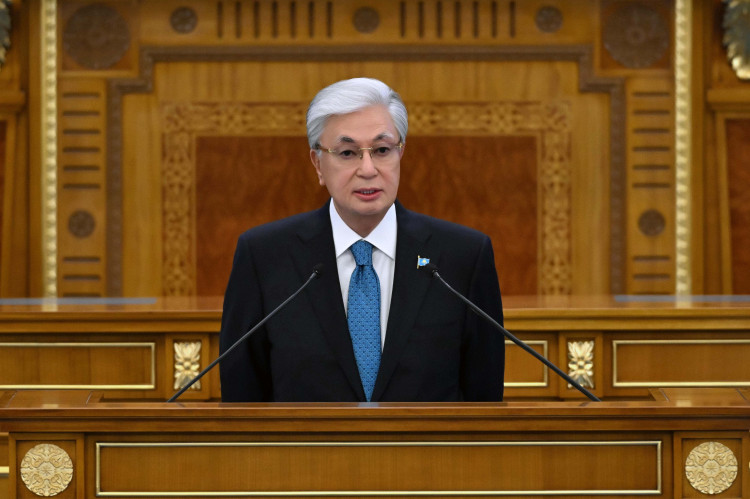
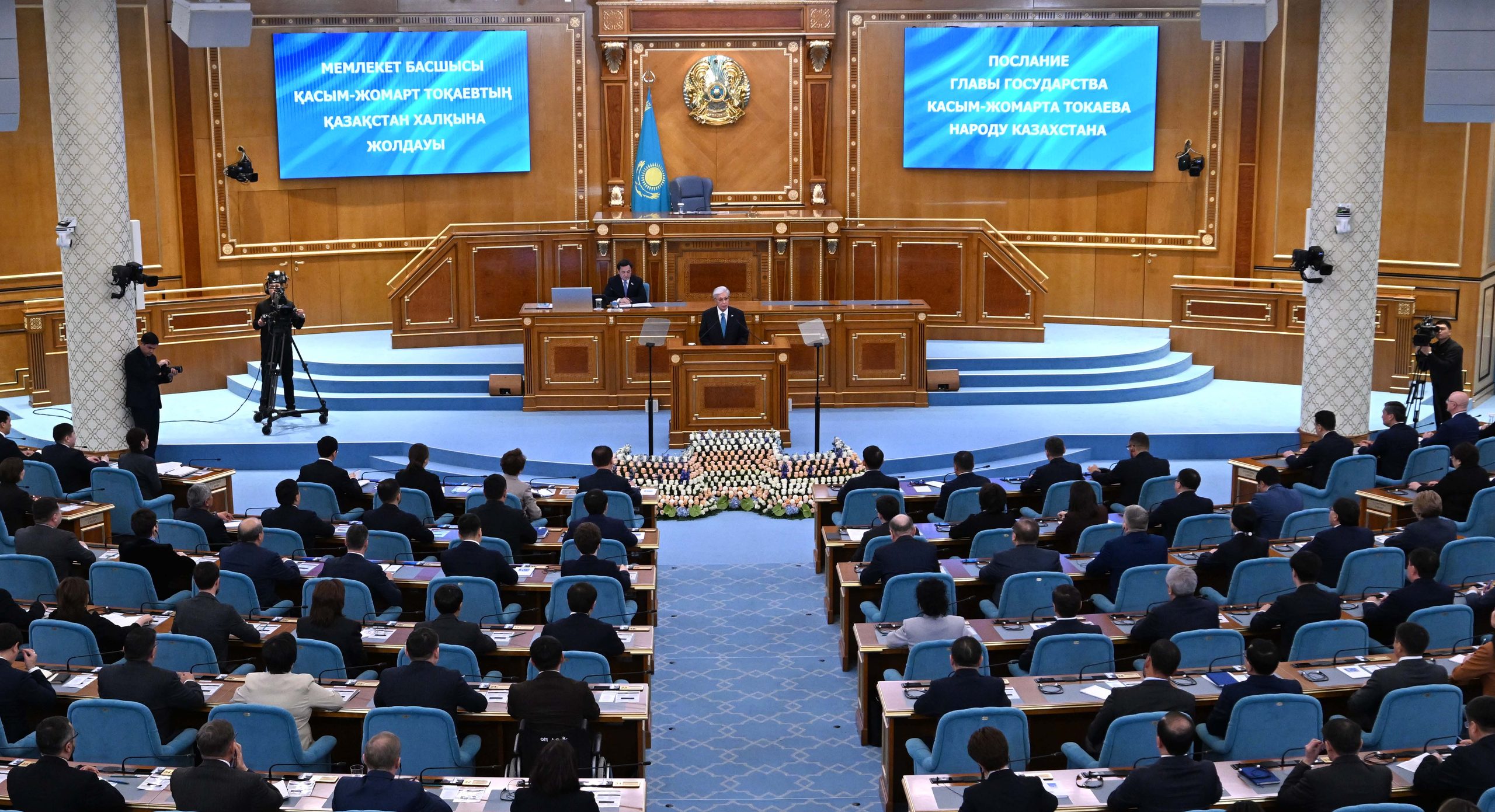
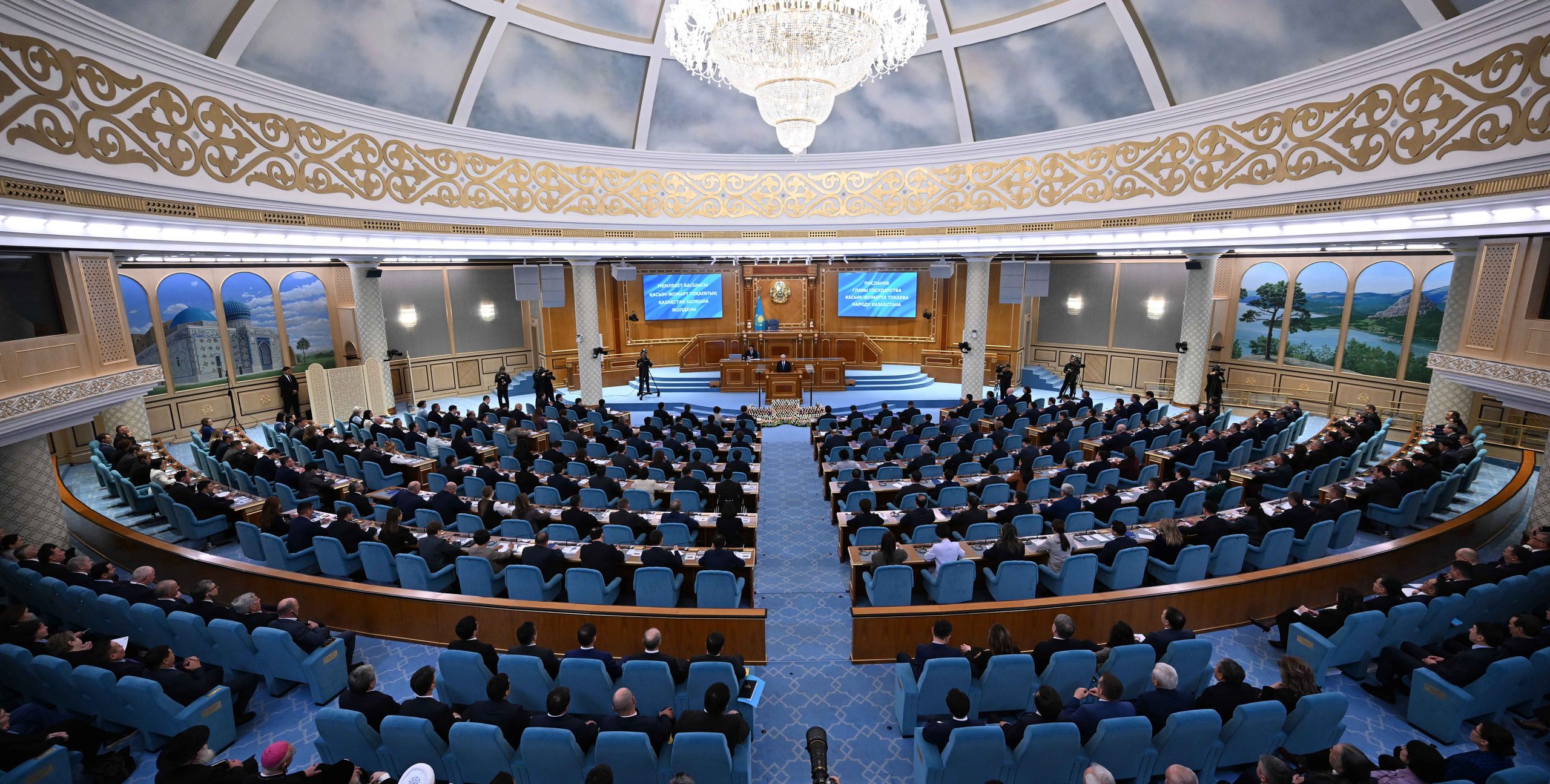
On 28 October 2026, President of Kazakhstan Kassym-Jomart Tokayev delivered his annual State of the Nation Address, “Kazakhstan’s Current Priorities in a New Historical Cycle.” Coming in the year of the 35th anniversary of Kazakhstan’s independence and following the entry into force of the country’s new Constitution on 1 July, the Address outlined an ambitious agenda for the next stage of national development.
Against a backdrop of growing geopolitical uncertainty and rapid technological change, President Tokayev placed economic resilience, modern infrastructure and technological development at the centre of Kazakhstan’s efforts to strengthen its sovereignty and improve the well-being of its citizens. The Address combined immediate economic and social measures with a longer-term vision of a more diversified, connected and digitally advanced economy.
Infrastructure as a driver of growth
The centrepiece of the Address was Halyqtyq Qurylys, or “People’s Construction,” which President Tokayev described as the largest infrastructure programme in Kazakhstan’s history. He proposed designating 2027 as the Year of Nationwide Large-Scale Construction and called for extensive development of social, transport, housing and utility infrastructure across every region.
Approximately 6.5 trillion tenge is expected to be allocated from the National Fund through the end of 2029 for an Infrastructure Modernisation Plan. The initial phase envisages around 70 healthcare facilities and 50 educational, cultural and sports facilities, as well as investment in housing, utilities, drinking water and gas supply. The programme is expected to create employment for hundreds of thousands of people and generate additional demand for domestic businesses.
The scale of the initiative reflects Kazakhstan’s broader economic position. According to the figures cited in the Address, the country’s GDP is expected to approach US$400 billion in 2026, with GDP per capita exceeding US$19,000. Manufacturing now represents more than 14% of GDP, while the combined value of international reserves and National Fund assets exceeds US$130 billion.
Strengthening Kazakhstan’s role as a Eurasian transport hub
A second major theme was connectivity. Located between some of the world’s largest markets, Kazakhstan aims to move beyond its traditional role as a transit country and become a major organiser of international freight flows between Asia and Europe.
The Bakhty–Ayagoz railway, expected to become operational in 2027, is set to increase freight capacity towards China by 20 million tonnes. At the same time, the new Aral–Caspian transport corridor is intended to shorten the Trans-Caspian route by approximately 1,000 kilometres and reduce delivery times by up to three days.
The Address also called for the modernisation of roads and border crossings, full digitalisation of freight documentation, improved air cargo infrastructure and construction of a new airport in Astana. As global supply chains change and the vulnerability of maritime routes increases, Kazakhstan sees its geographic position and overland connectivity as important long-term economic advantages.
Energy security and industrial diversification
Energy security was presented as another fundamental condition for future growth. Kazakhstan’s electricity system is entering a period of rapidly growing demand, driven by industrialisation, digitalisation, artificial intelligence and the development of new data centres. To stay ahead of this growth and ensure a reliable long-term power supply, the country is expanding generation capacity and modernising its energy infrastructure.
President Tokayev therefore set the goal of achieving a sustained electricity surplus by 2029 through new generation capacity, modernisation of existing power stations and grids, cleaner coal technologies and greater use of renewable energy. Nuclear power is expected to form an important part of this strategy. The President indicated that construction of the Balkhash nuclear power plant could begin as early as 2027 and called for progress on the planned Moyynkum nuclear project.
At the same time, Kazakhstan intends to make greater use of its substantial mineral resources to develop higher-value industries. The Address called for modernisation of geological exploration, improved access to geological data and closer cooperation with international partners. The broader objective is to develop domestic processing and technological capabilities and integrate Kazakhstan more deeply into global production and supply chains.
Investment, business and a digital economy
Improving the investment environment remains another central priority. President Tokayev called for a more coordinated national system for attracting and supporting investors and for stronger legal safeguards for businesses.
A significant initiative concerns Alatau City, where Kazakhstan plans to establish an Investment Court based on the English common law model to consider commercial disputes. The initiative is intended to strengthen confidence in the city’s special legal regime and improve its attractiveness to international investors.
The Address also highlighted the growing importance of small and medium-sized enterprises, which now generate around 40% of Kazakhstan’s GDP. Measures proposed include better access to long-term financing, technological modernisation and possible regulatory relief for micro and small businesses.
Digital transformation runs across many of these reforms. Two supercomputers are already operational in Kazakhstan, with a third expected before the end of 2026, while a fibre-optic connection across the Caspian seabed has been completed. The Government has been instructed to move beyond basic automation and focus on practical applications of artificial intelligence, blockchain technologies, digital platforms and asset tokenisation.
Growth with a social dimension
While the Address placed strong emphasis on infrastructure and economic transformation, social development also featured prominently. From 1 January 2027, Kazakhstan’s monthly minimum wage is to rise from 85,000 to 110,000 tenge, a measure expected to benefit almost 1.8 million people. Pay for primary healthcare specialists is also set to increase by up to 40%, depending on length of service.
New perinatal centres and children’s hospitals are planned, while the Government has been tasked with expanding inclusive education and improving support for children with special educational needs. At the same time, President Tokayev called for social assistance to become more targeted and focused on people who genuinely require state support.
Agriculture and water security were also identified as strategic priorities. Kazakhstan plans to expand long-term financing for farmers, introduce advanced technologies and artificial intelligence into agriculture, develop food processing and improve water efficiency. The President stressed the need to reduce losses in water networks and accelerate the creation of a national digital system for managing water resources.
A broader vision of national renewal
Overall, the 2026 State of the Nation Address presents a model of development in which infrastructure, industrial diversification, digital technology, energy security and improved public administration reinforce one another.
President Tokayev also called for a comprehensive reform of the public administration system, with a plan to be submitted by 1 June 2027. Government structures are expected to become more efficient, less bureaucratic and better adapted to the use of digital technologies and artificial intelligence.
The overarching objective, described by the President as building a “Just, Strong, Clean and Progressive Kazakhstan,” is to translate the country’s economic resources and strategic location into higher living standards, stronger institutions and sustainable long-term competitiveness.
For international partners, the Address signals that Kazakhstan seeking not simply to expand its economy, but to reposition itself for a changing global environment: as a Eurasian transport and logistics hub, a more diversified industrial economy, a supplier of critical resources and food, a destination for long-term investment, and an increasingly technology-driven state.
At the core of this agenda is a straightforward principle: Kazakhstan’s economic and institutional modernisation should ultimately be measured by its impact on citizens. As President Tokayev emphasised, the principal beneficiaries of the country’s reforms must be its people.